ACCESS FROM THE CORRIDOR
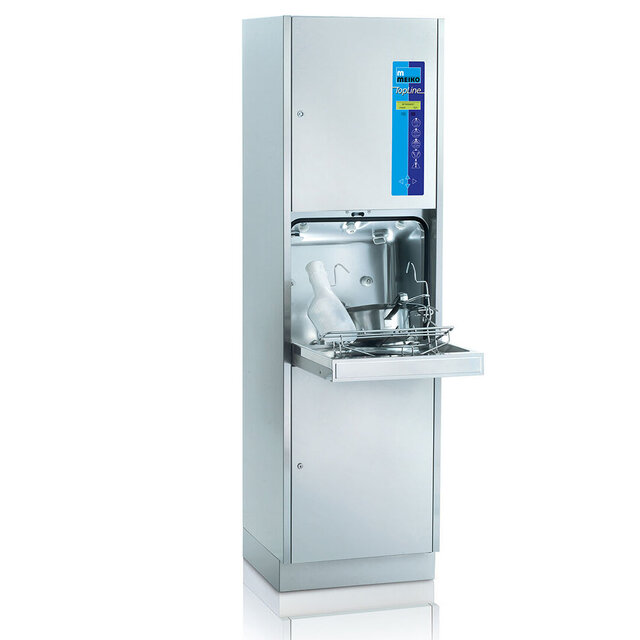
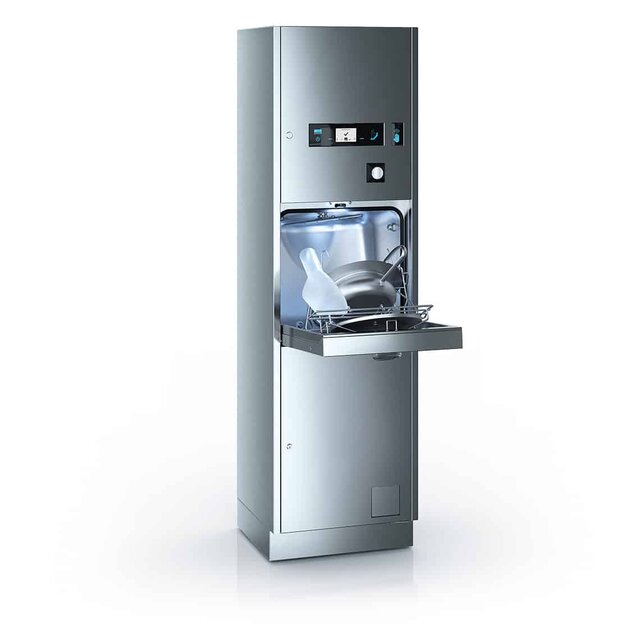
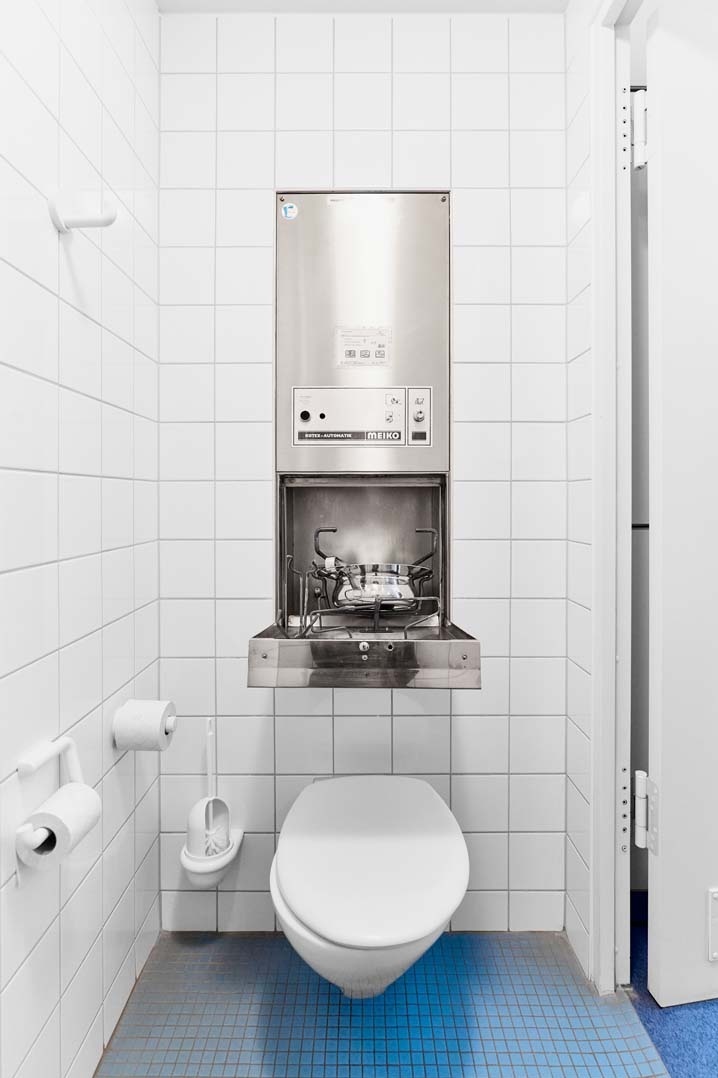
To this day, the Marienhospital has stuck firmly to an unusual strategy: every patient room has its own dedicated bedpan washer, fitted directly above the toilet. As well as being more hygienic, this approach eliminates unnecessary back-and-forth and generally makes life easier for nursing staff.
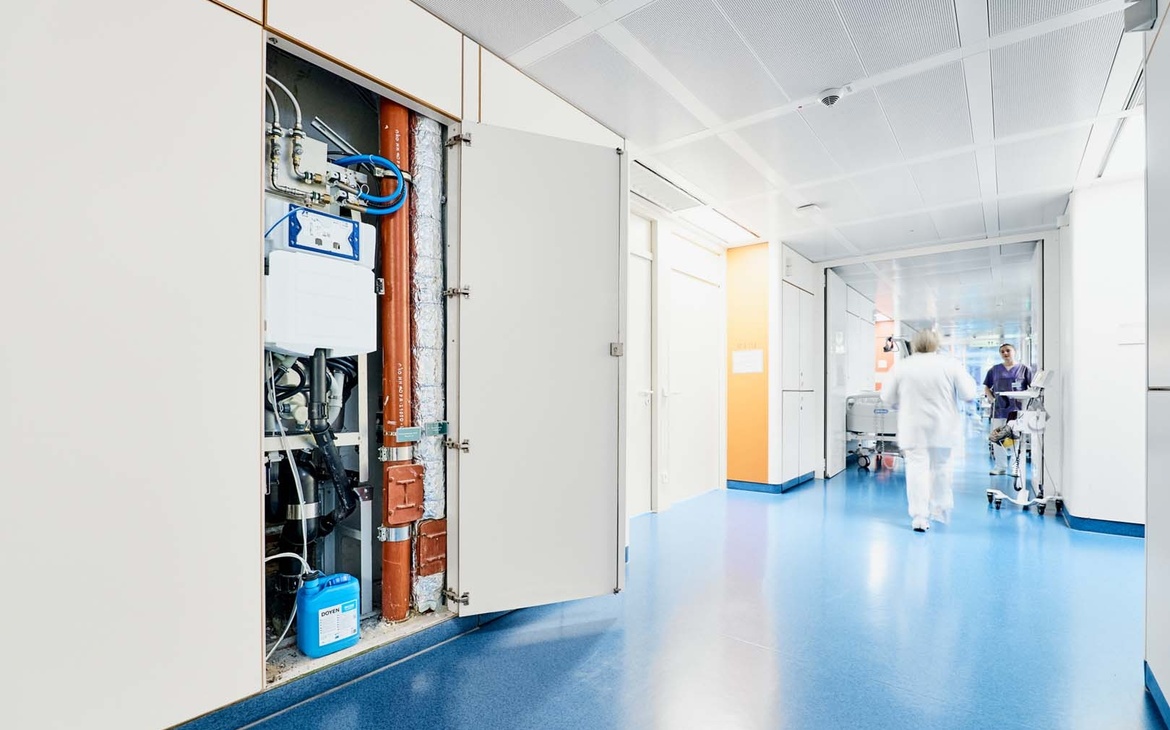
But the really clever part of this strategy lies not inside the rooms, but in the corridor. Behind plain cabinets set into the corridor walls, technicians have direct access to the back of every appliance, so servicing and maintenance can be carried out entirely from the hallway. "We never need to set foot in a patient's room," says Christian Kellner, who manages the project at MEIKO. "It's rare to have such easy access." Rare – and extremely useful. Especially when you're dealing with more than 300 appliances that are being replaced by new models after almost 50 years of reliable service, all without disrupting the hospital's day-to-day operations. "Hospitals never take a break," says Straß.
WORKING UNDER PRESSURE
For Christian Kellner, that makes this project uniquely challenging, and not just because of its scale. In the early days, swapping out a single unit could take up to two days.
"The age of these appliances and the unusual way they were installed mean this project is far from routine,"
Kellner says. In some cases, important details, such as how the appliance was hooked up to the drain, couldn't be verified until the team was on site. Since then, they have established a certain rhythm and regularly complete two installations a day.
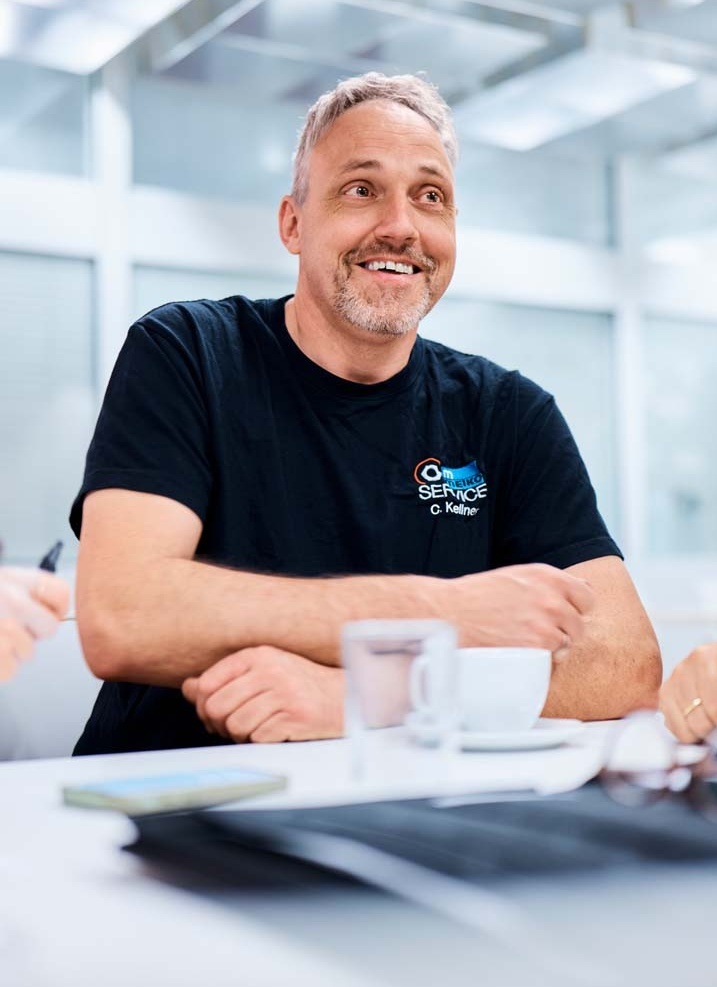
This efficient workflow largely comes down to the close collaboration between everyone involved. "We organise whatever's necessary – and MEIKO delivers," is how Straß puts it. More often than not, a quick phone call is all it takes to free up a room, adjust a connection or revise the schedule. "A project like this, running in a fully operational hospital, only works if everyone pulls together," says Kellner.
MORE THAN JUST MACHINES
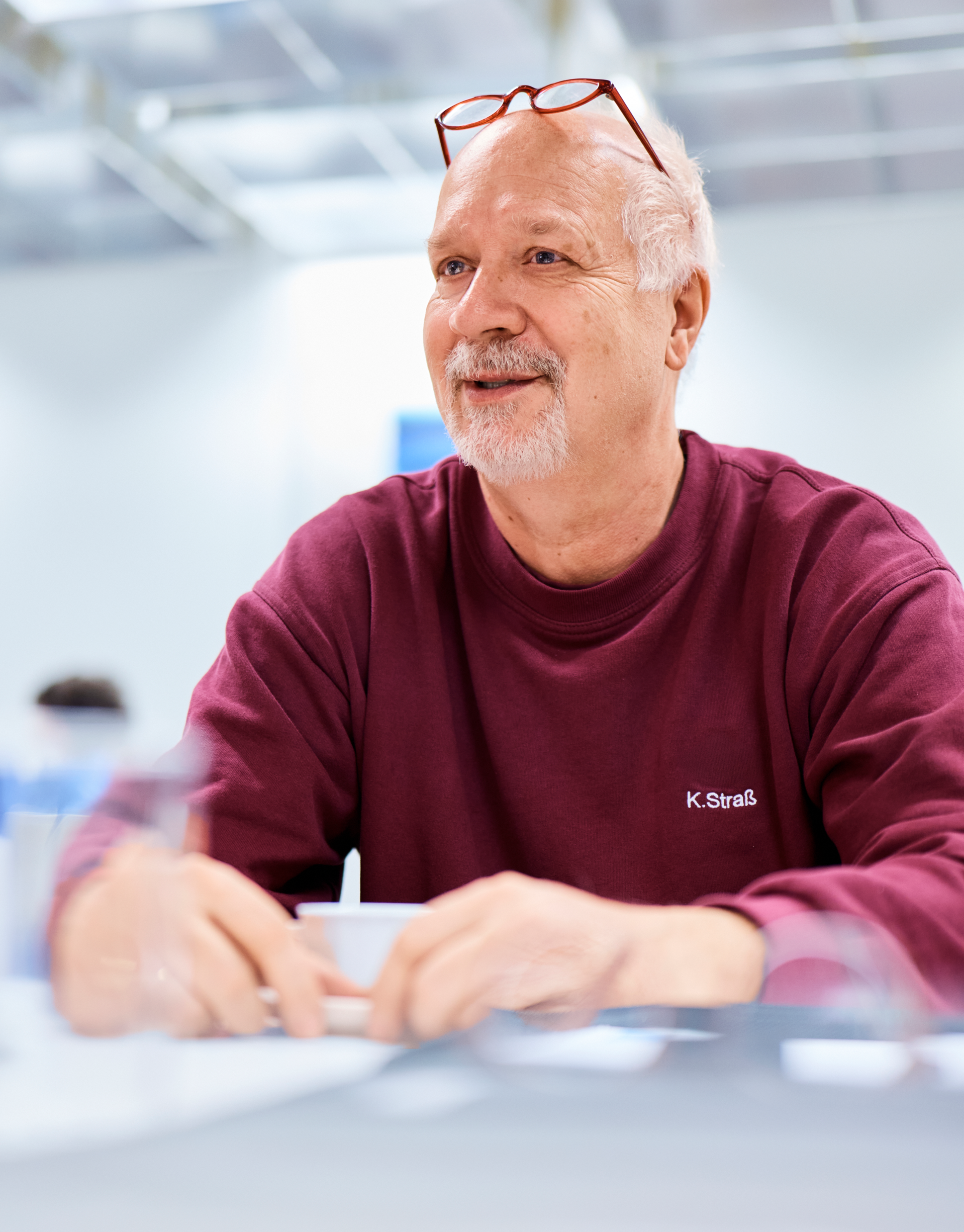
The Marienhospital relies on MEIKO technology for all sorts of applications – their bedpan washers, warewashing systems and food waste treatment systems are all supplied by the company. But this story has always been about more than machines. It's about the people behind them – people like Kellner's father, who had already worked with MEIKO at the Marienhospital long before his son took over.
"We've always been a team that knows how to work together,"
says Straß.
That sums up the true value of this decades-long partnership: technology that makes life easier for nursing staff, delivers reliable hygiene and performs day in, day out – plus the people who keep those solutions running seamlessly. For nearly 50 years, and counting! Asked about his hopes for the future, Straß barely hesitates: "Honestly? I'd like everything to carry on exactly the way it is!"
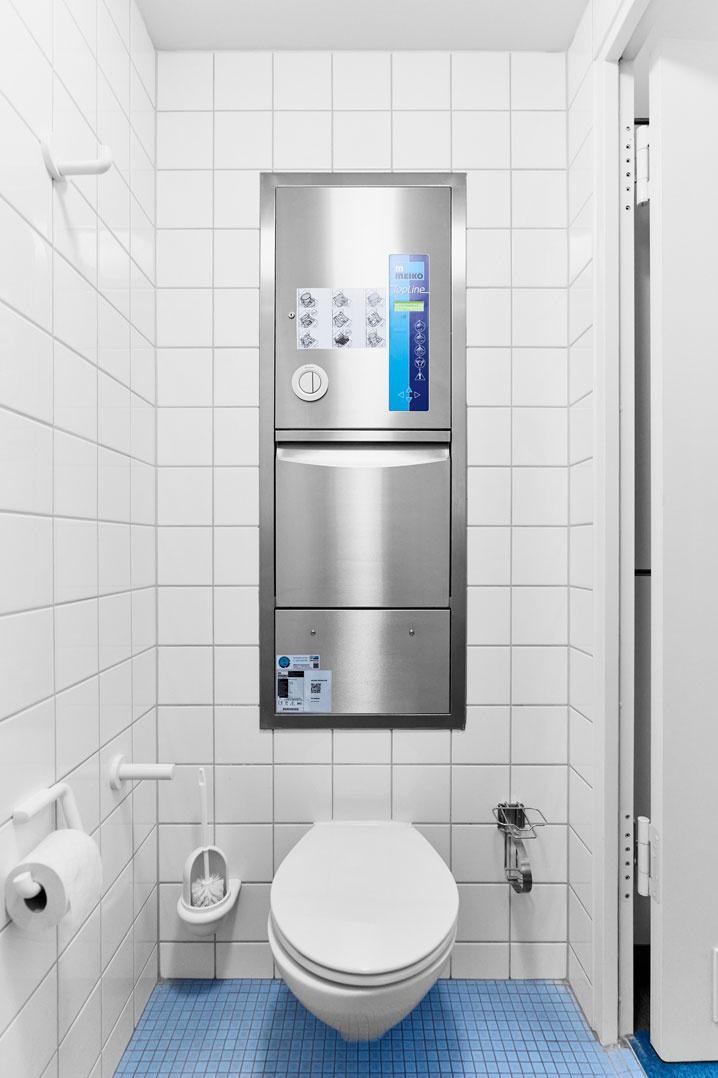
AFTER ALMOST 50 YEARS OF RELIABLE SERVICE,
the bedpan-washers installed in 1978 are making way for modern TopLine units.
CONTACT
Marienhospital Stuttgart
Böheimstraße 37
70199 Stuttgart, Germany