A STRIKING NEW BUILDING
with an outstanding layout
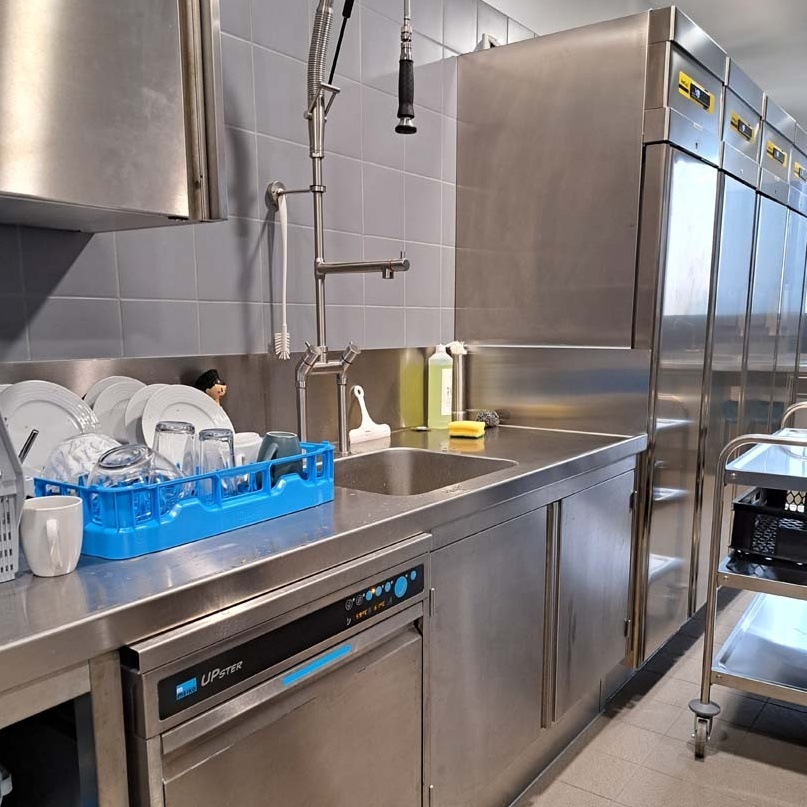
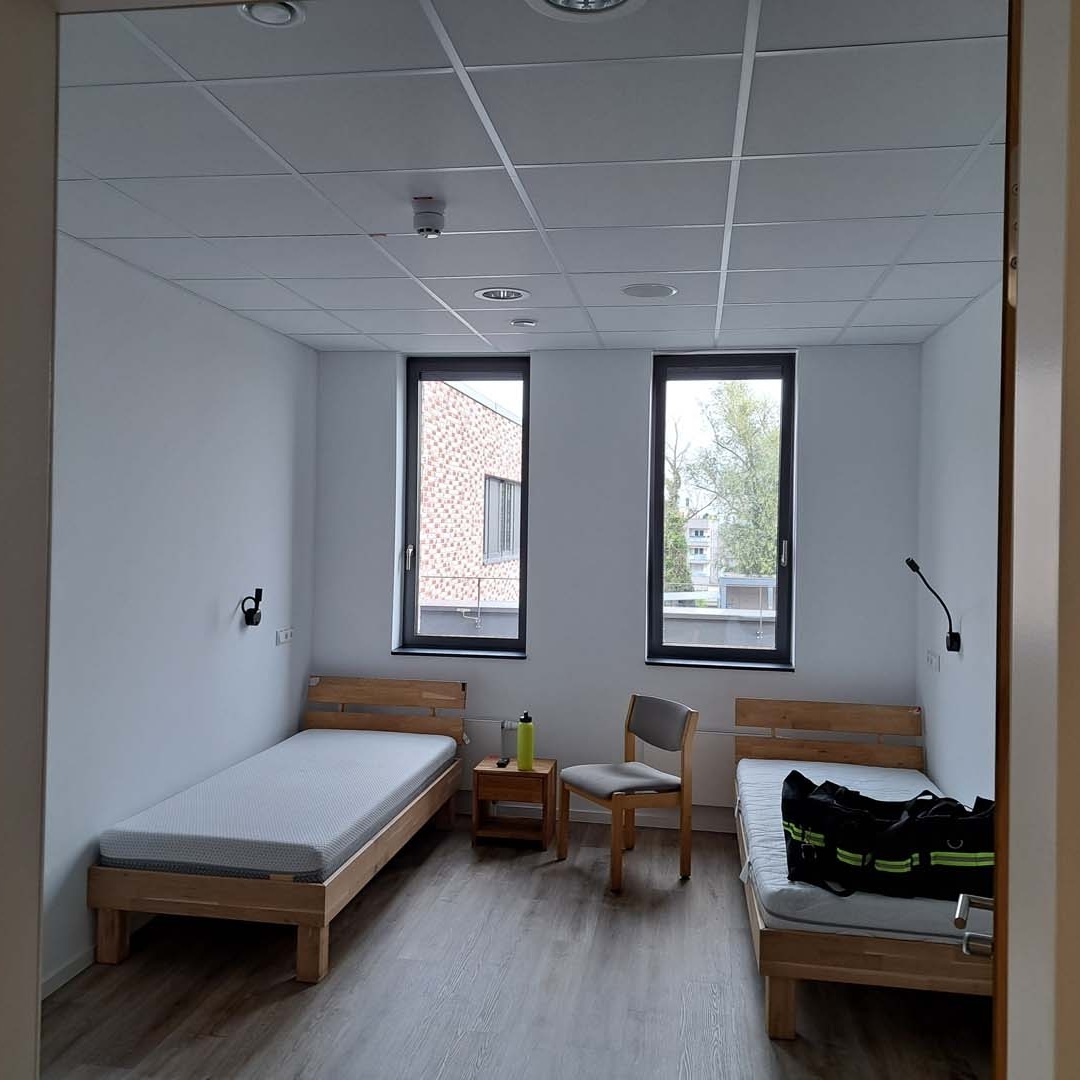
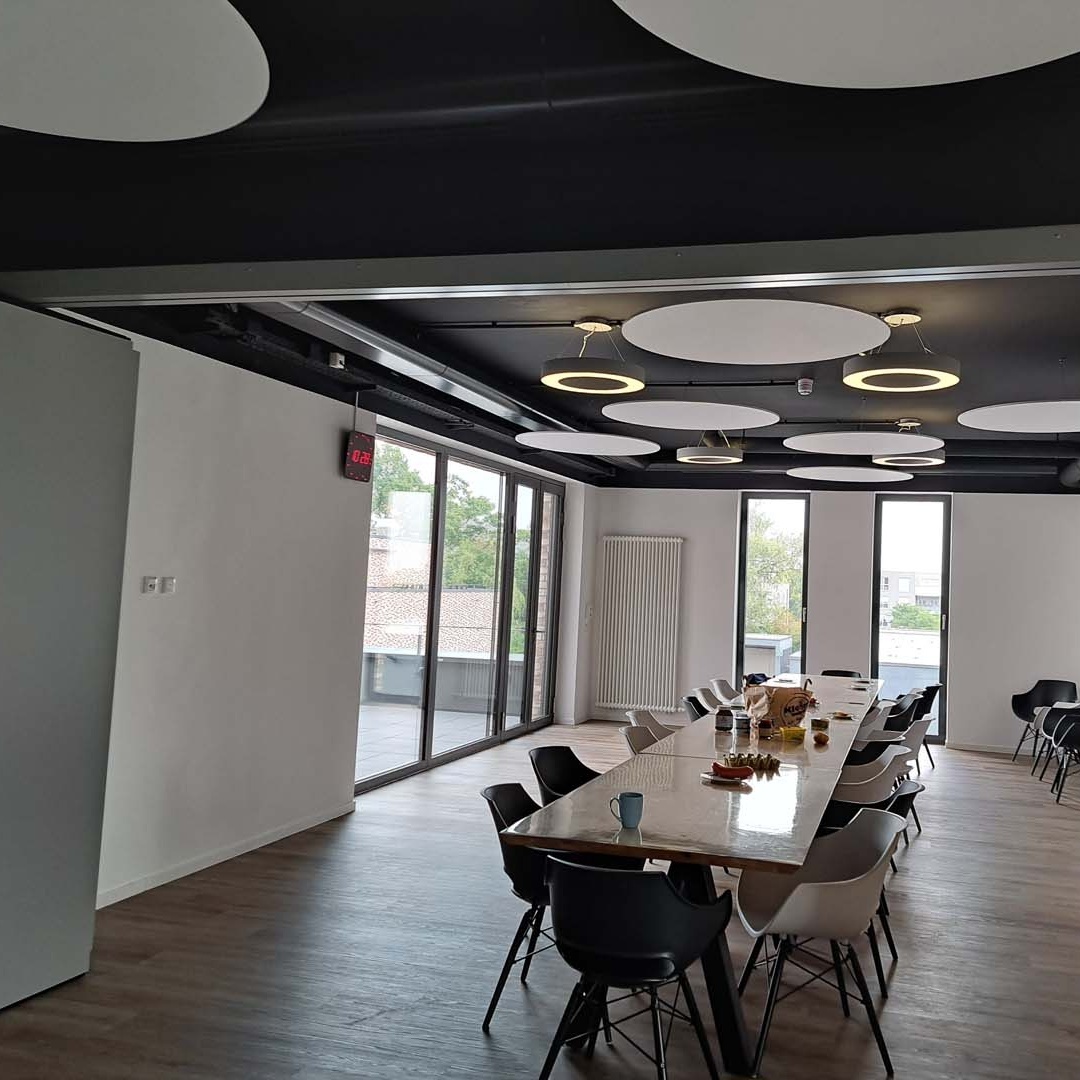
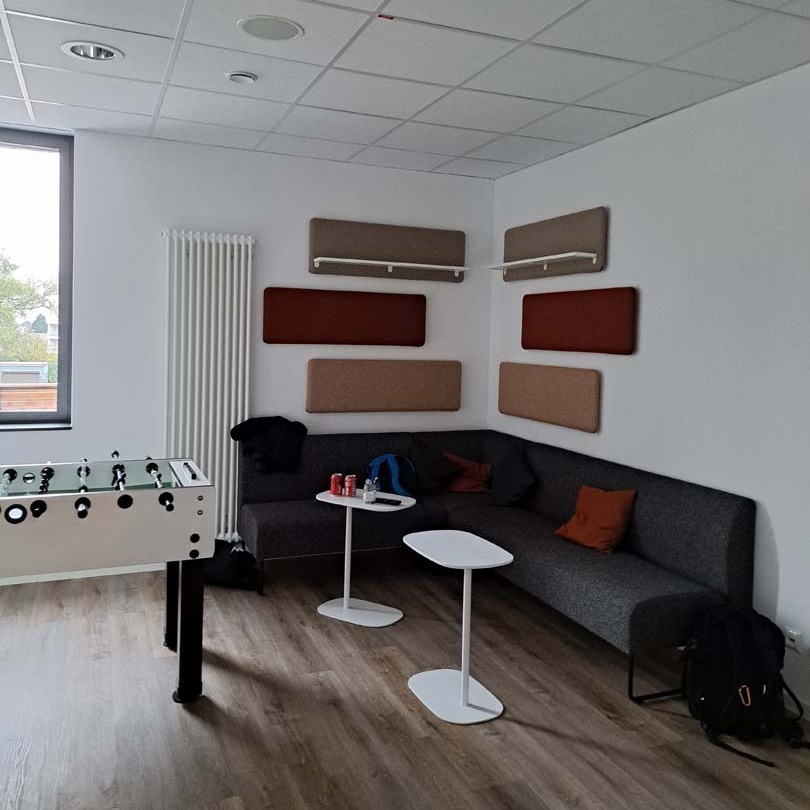
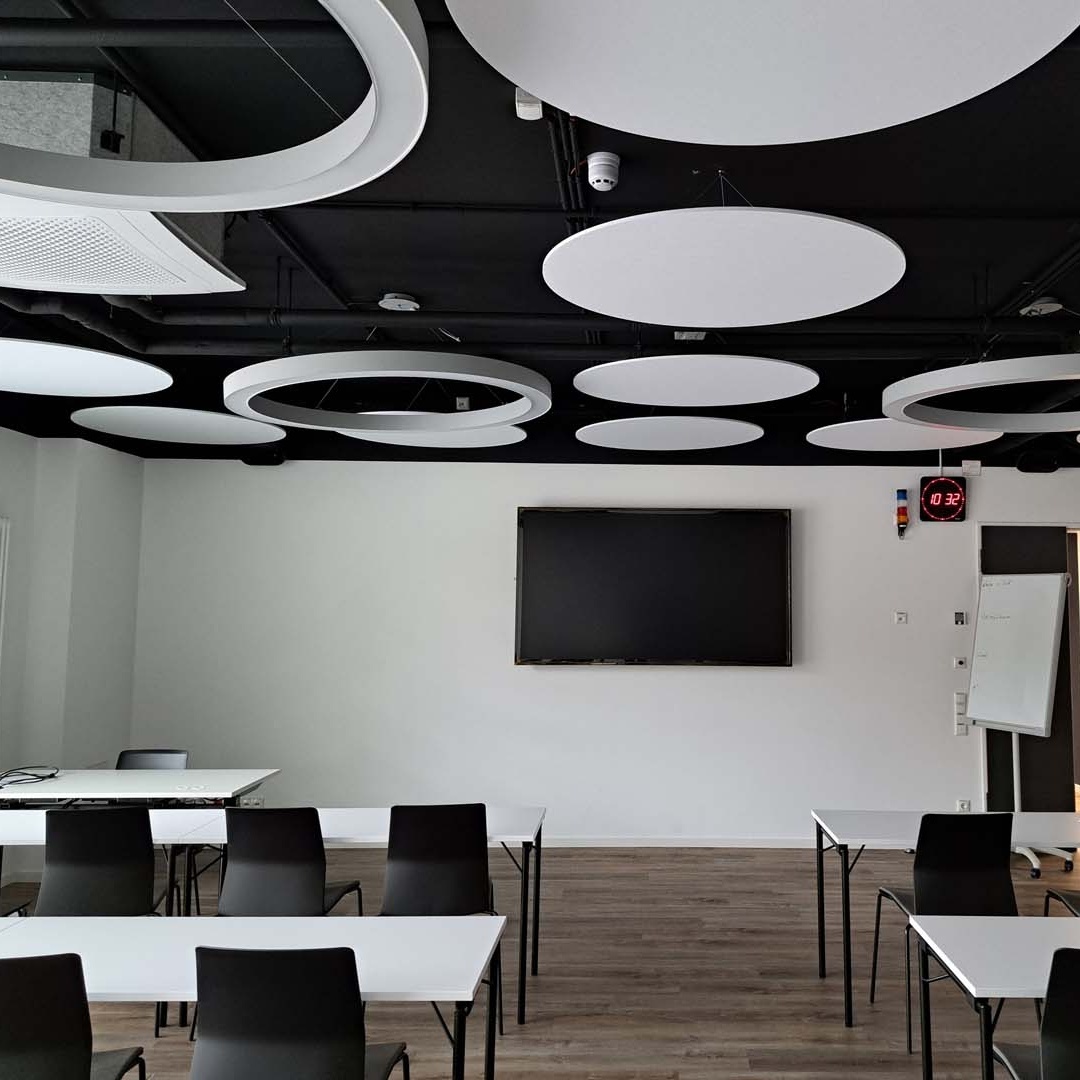
On the upper floor of the building, space has been set aside for communal use, training and rehabilitation. This level includes a fully equipped kitchen as well as modern training rooms, offices, rest areas and common rooms. When the alarm sounds, staff can quickly reach the emergency vehicles on the ground floor via a staircase and sliding poles.
MODERN SCBA WORKSHOP
with optimum working conditions
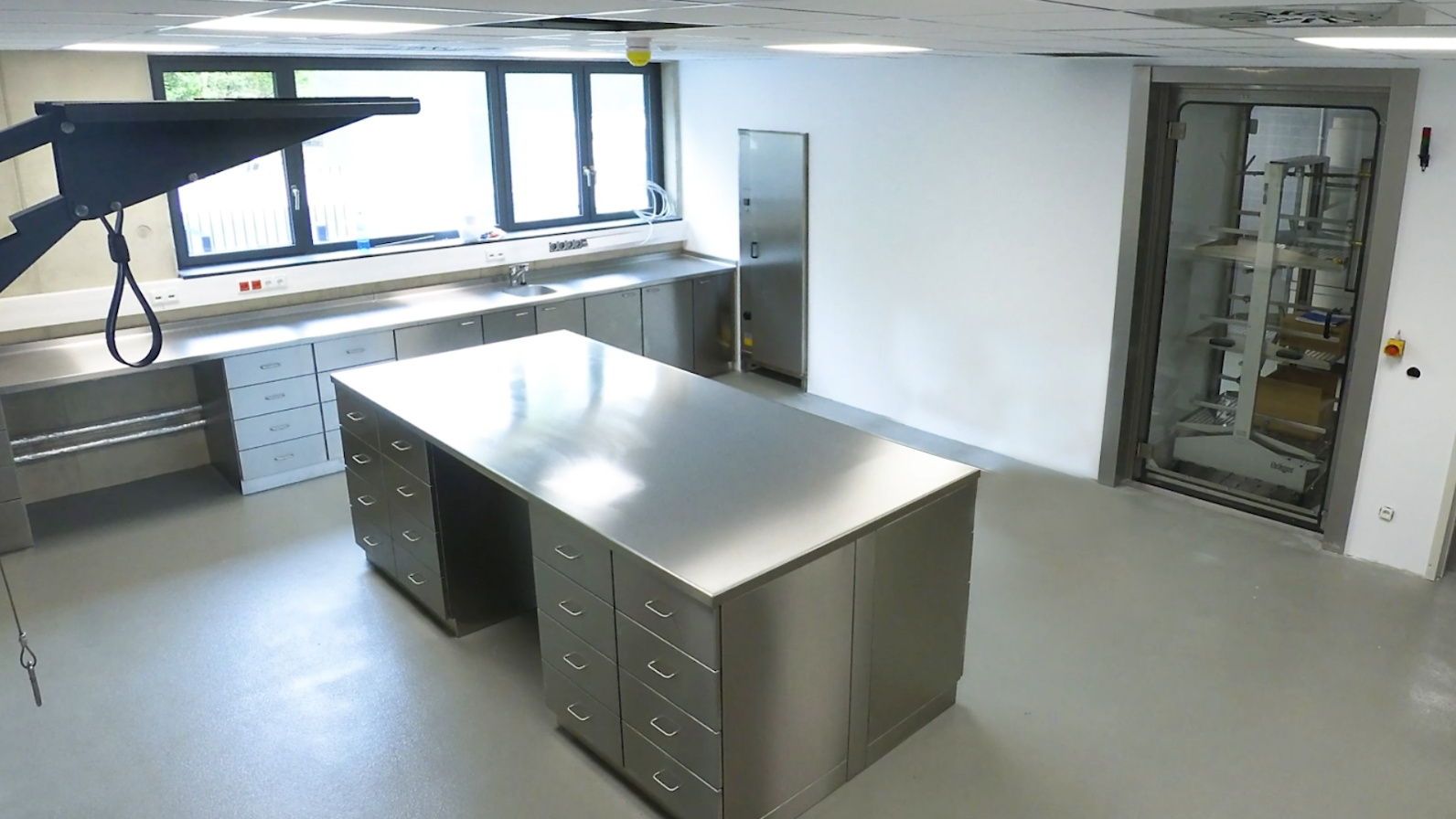
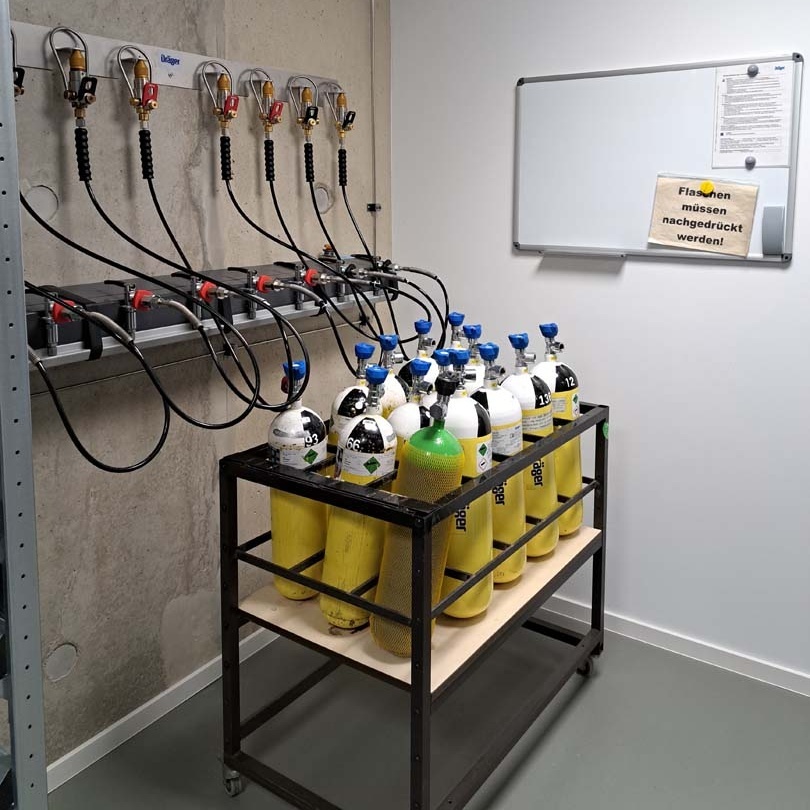
The ground floor is where you'll find Michael Weber at work. He manages Hürth Fire Service’s SCBA workshop and also serves on the extended emergency call-out roster. Inside the 144 m² workshop facility, he and his team clean, test and maintain the equipment used by their fellow firefighters. The fire service’s equipment pool includes 26 chemical protective suits, more than 100 SCBA sets, nearly 300 BA masks and a similar number of air cylinders. The facility features clearly separated dirty and clean zones, optimised workflows and state-of-the-art technology. Ten colleagues work here, most of them on 24-hour shifts. They all appreciate the new infrastructure and improved working conditions, which make them feel motivated to come to work and satisfied when they leave at the end of their shift – just one example of the benefits offered by the new SCBA workshop.
PLANNING
with a focus on hygiene and safety
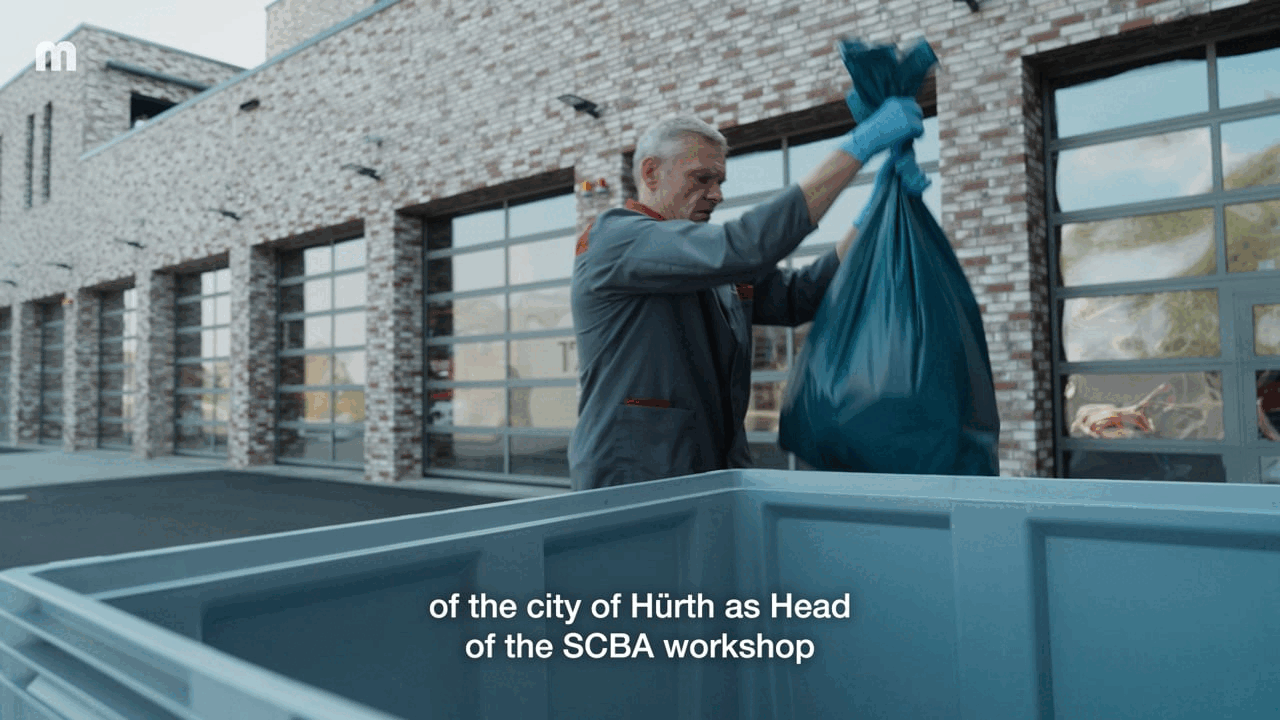
The SCBA workshop was planned and implemented in collaboration with an architect and MEIKO, based on the specific requirements of Hürth Fire Service. Access is restricted to authorised personnel via an electronic entry system. The moment you walk in, you notice how clean and odourless it is, with absolutely no smell of fire smoke. This is because the planning team deliberately located the drop-off point for contaminated PPE outside the building. Used helmets, masks and SCBA sets (including cylinders and regulators) are stored outdoors in plastic bags inside a cage trolley. Only when it's time for the gear to be cleaned do the SCBA technicians bring it into the workshop's dirty zone.
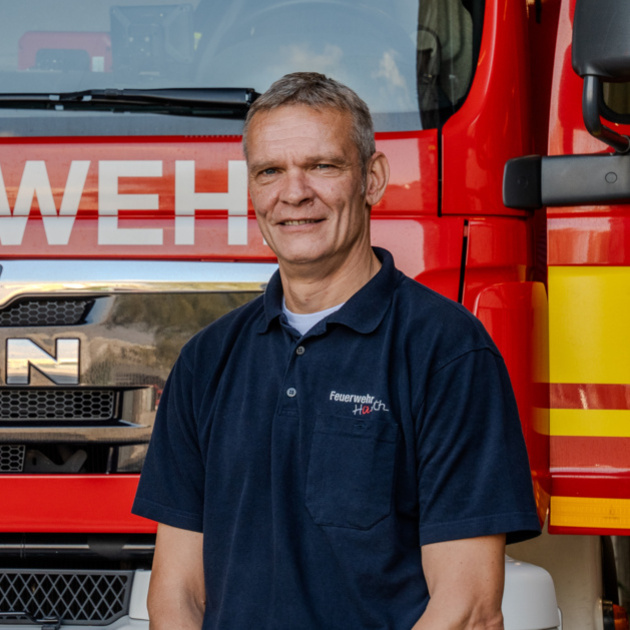
We're really pleased with the results! The planning process went incredibly smoothly.
Michael Weber,
SCBA workshop manager
EFFICIENT REPROCESSING
with modern technology
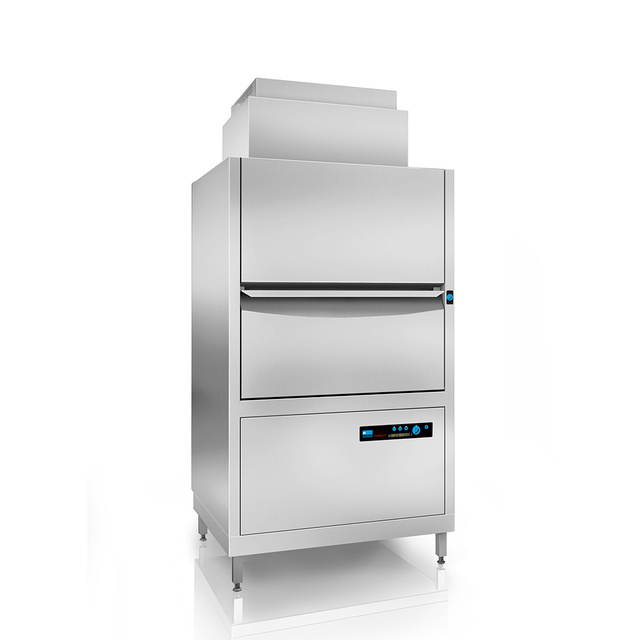
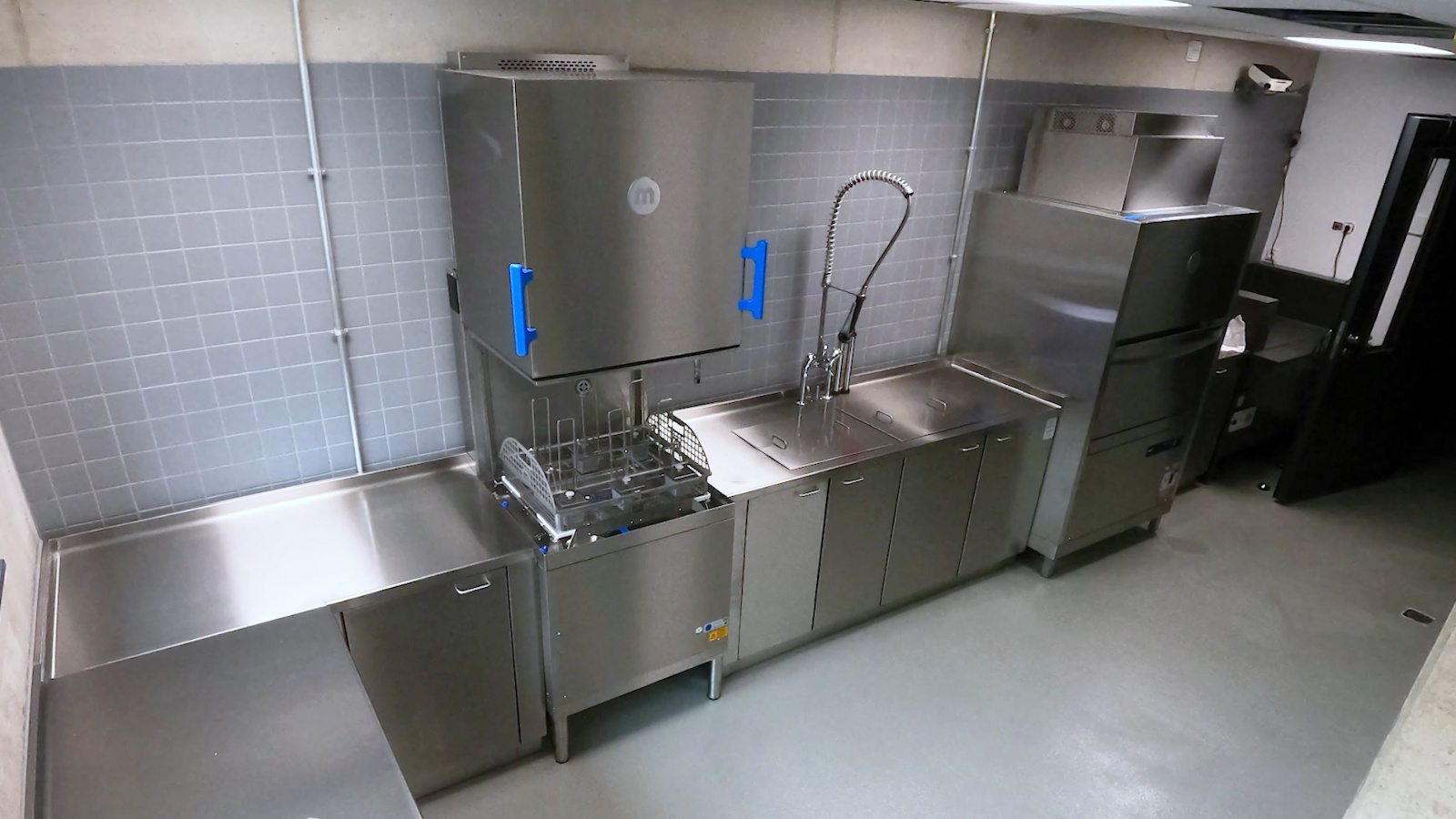
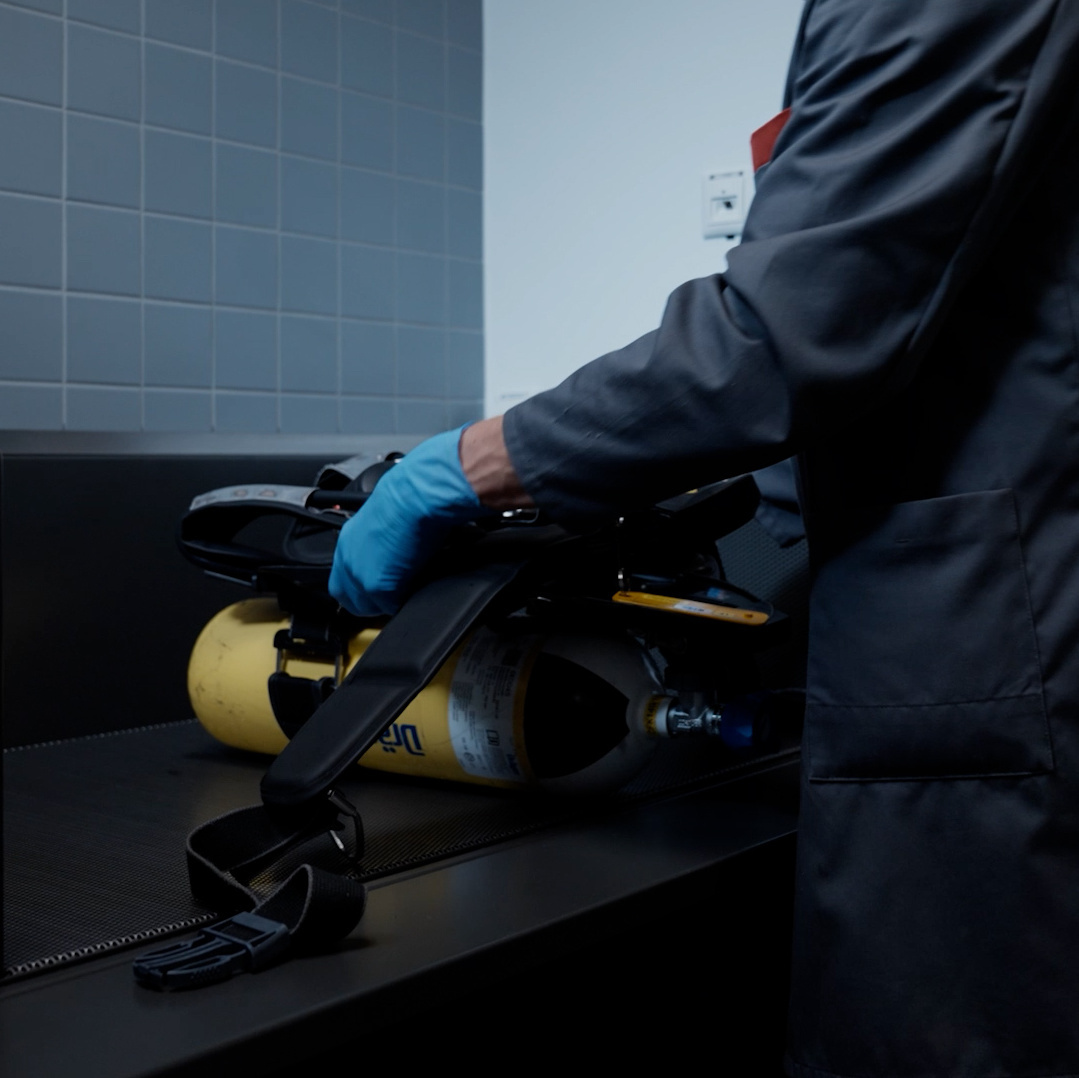
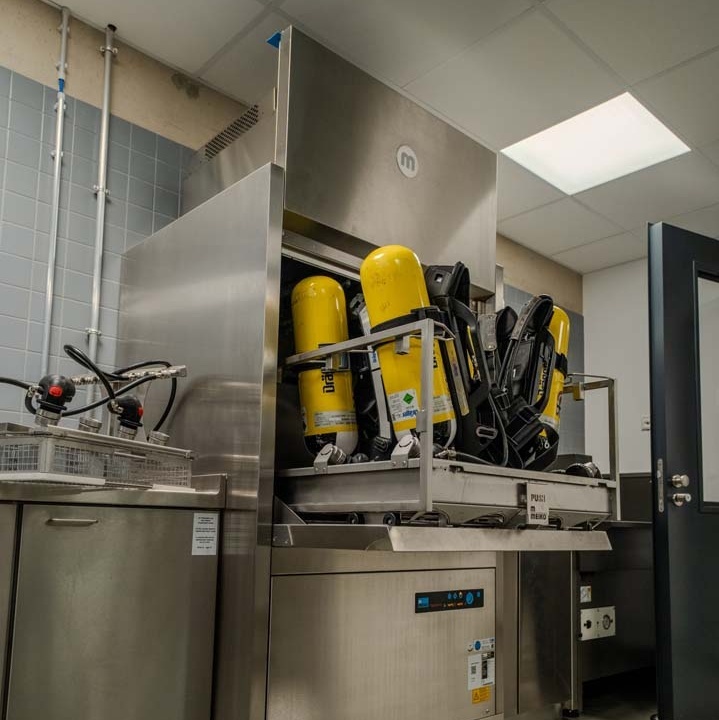
The SCBA sets undergo a visual inspection on a downdraft table before being loaded into the TopClean D PPE decon machine. Helmets (with visors removed) and BA masks are also cleaned in this unit. The regulators are then dismantled and reprocessed in the TopClean H cleaning and disinfection machine, along with the masks. In the old workshop, which was housed in temporary container units, it took the team three to four days to return 25 SCBA sets to service. Today, thanks to optimised workflows and the latest MEIKO technology, they can complete the same task in less than half the time.
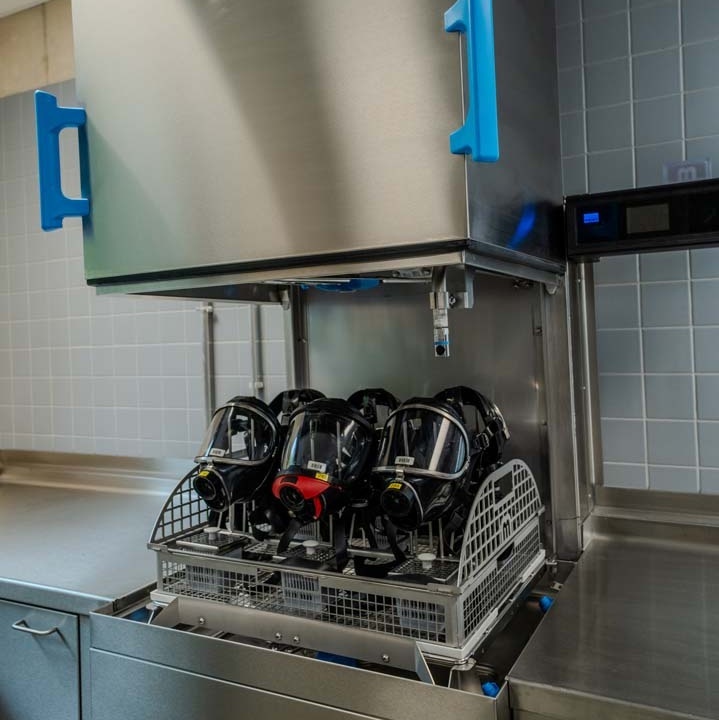
RESOURCE-EFFICIENT
Streamlined processes and time savings
“All the equipment is reprocessed according to the manufacturers' instructions. For regulators, we use the same sequence as before: dismantle, clean, disinfect, dry, reassemble, test, document, pack and put into storage," Weber explains. In the past, the disassembled small parts of the regulators had to be scrubbed by hand using a soft brush in a water and detergent solution. This process was highly labour-intensive and consumed considerable amounts of water and detergent. The parts were then soaked in clean water for an hour to remove any detergent residues. The same process was repeated after disinfection to ensure all traces of the disinfectant were completely removed. Today, MEIKO technology makes these steps not only much faster, but also far more efficient in terms of the resources used.
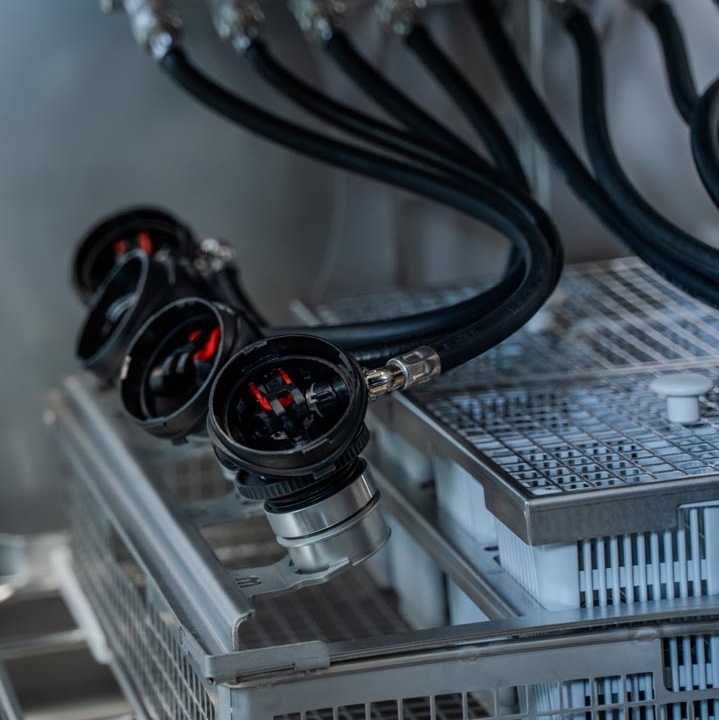
ENHANCED CONVENIENCE AND SAFETY
for SCBA technicians
Another advantage is that the machines handle the precise dosing of water and chemicals while continuously monitoring the duration and temperature of the cleaning and disinfection cycles. This allows SCBA technicians to focus on other tasks, such as recharging breathing air cylinders or applying anti-fog solution to mask visors. For this latter task, they use a yellow cloth, says Weber: "When we reprocess PPE using MEIKO equipment, the cloth stays yellow. But if we use different equipment, we always end up wiping off another layer of soot!" he explains. If that happens, the cleaning process has to be repeated.
MEIKO equipment is so easy to operate – it's a genuinely user-friendly experience.
Michael Weber,
SCBA workshop manager
ERGONOMIC WORKFLOWS
and high throughput
Drying is the most time-consuming part of the reprocessing cycle. The drying cabinet acts as a transfer point between the dirty and clean zones and is therefore positioned on the dirty side, in line with MEIKO’s design concept. Cleaned and disinfected equipment is loaded into the cabinet from the dirty side, while dried items are removed on the clean side for reassembly and testing. This creates an ergonomic and efficient workflow, eliminating unnecessary movement and keeping noise levels in the clean zone to an absolute minimum.
HIGH STAFF SATISFACTION THANKS TO OPTIMISED PROCESSES
When things are at their busiest, Weber and his colleagues reprocess up to 30 SCBA sets a day. They can only manage this high throughput thanks to the new automated processes. "I’m impressed with how easy MEIKO equipment is to operate – it's a genuinely user-friendly experience," says the SCBA workshop manager. Stainless steel machines and fixtures make the facility easy to keep clean while also ensuring durability and reliable operation over the long term. All of this helps Michael Weber and his colleagues come to work each day with a positive mindset – and leave with a sense of satisfaction at the end of each shift.