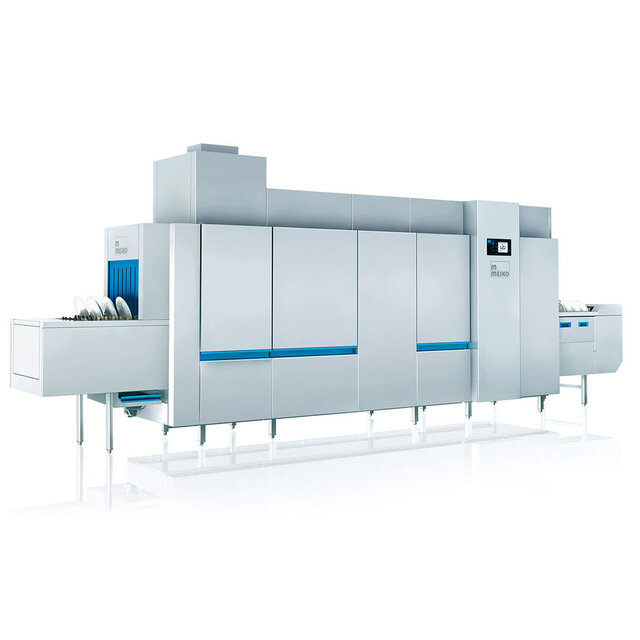
The kitchen at ZfP Reichenau serves several hundred meals a day, which means dishes from its canteen and wards need to be washed, sorted and put back into circulation as quickly as possible. It offers a perfect example of how a smoothly functioning dishwashing area can pay dividends to the organisation as a whole. Located near the shores of Lake Constance, ZfP Reichenau is a major centre of adult psychiatry on the southern edge of the federal state of Baden-Württemberg. Spread across an extensive campus, it treats around 600 to 650 patients a day, with some 1,000 staff running a carefully coordinated mix of therapy, care and organisational logistics. The psychiatric hospital essentially operates like a small village, encompassing not only wards and treatment areas, but also its own laundry, a bakery, workshops – and a kitchen.
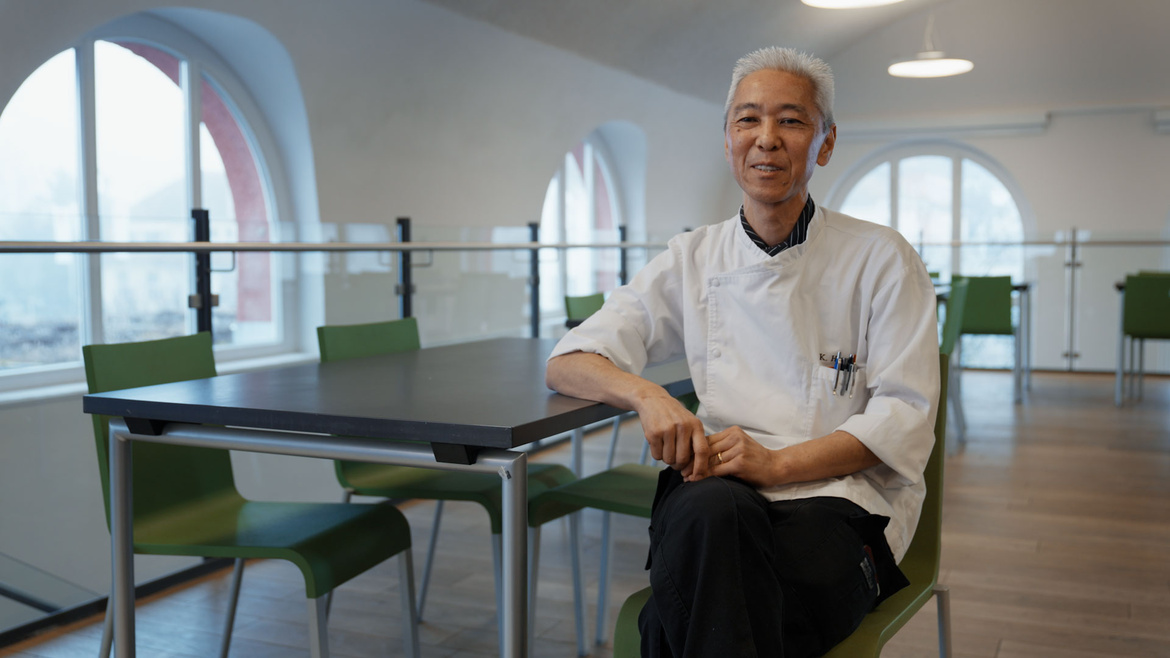
Japanese-born Kenji Hayashi took over as ZfP Reichenau's head chef in May 2025. Together with his team, he prepares around 800 meals a day, from breakfast through to dinner. The menu covers everything from various special diets to individually tailored meals for specific patients. Some of these are served directly in the on-site canteen, where patients, staff and visitors eat together, while many other meals are delivered straight to the wards. Wherever people eat, they generate dirty dishes that ultimately make their way back to the kitchen. Plates, trays, bowls and containers all need to be washed and put back into circulation as quickly as possible – so any delays here have a rapid knock-on effect on the rest of the kitchen's operations.
WHY THE DISHWASHING AREA MAKES SUCH A DIFFERENCE
This was the challenge ZfP Reichenau ultimately found itself facing. The kitchen's old steam-powered warewashing system had provided years of reliable service. But it eventually became clear that the technology could no longer keep pace with the demands of a modern kitchen.
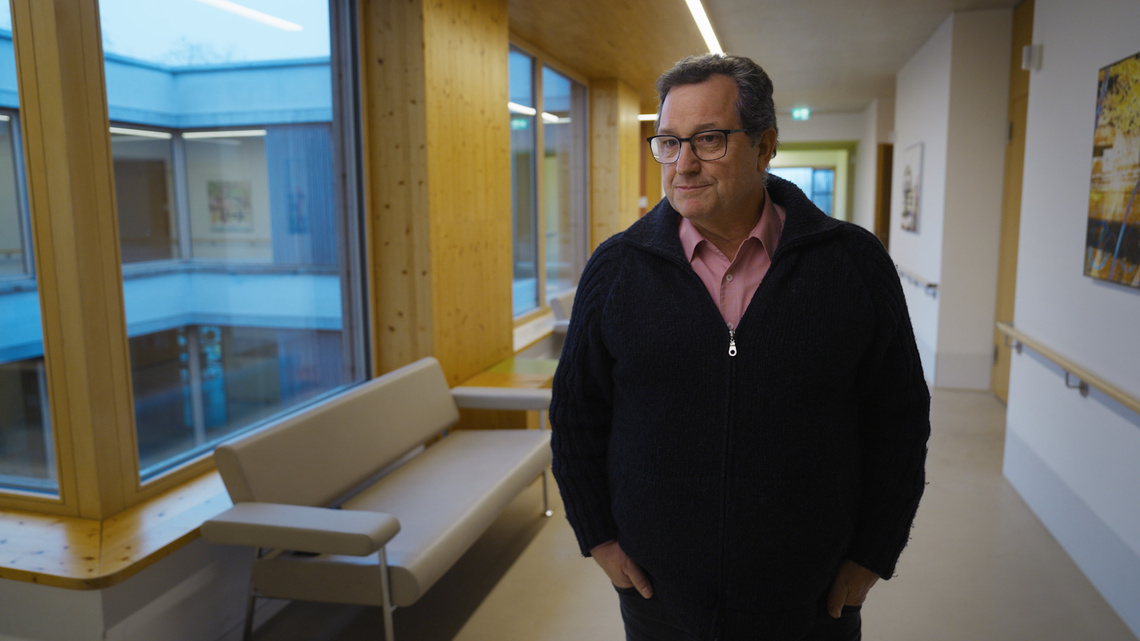
“Our old dishwashing line finally gave up the ghost," says Jochen Reutter, operations director at ZfP Reichenau. “So we had to decide how we wanted to move forward."
That question sparked much more than a simple like-for-like replacement. The team took the opportunity to rethink its entire setup from the ground up. The public tender they drew up for the new equipment emphasised not just performance, durability and capacity, but also energy efficiency, hygiene standards and a staff-friendly working environment.
WAREWASHING AND FOOD WASTE MANAGEMENT GO HAND IN HAND
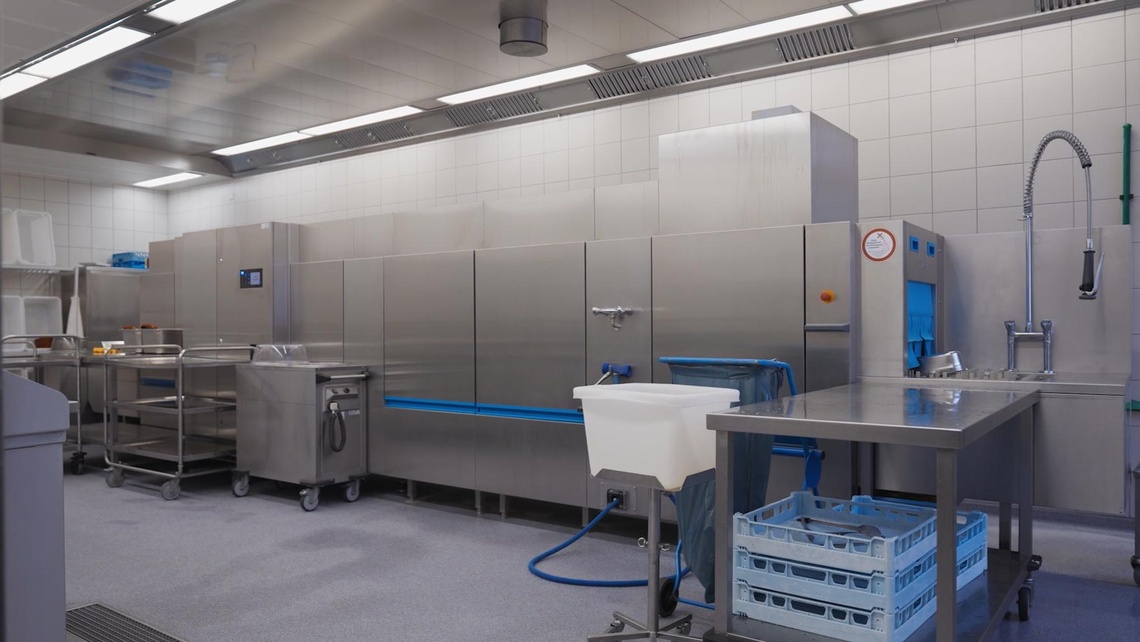
For its new warewashing area, ZfP Reichenau opted for a MEIKO solution that seamlessly brings together multiple processes. The setup includes a M-iQ flight type dishwashing machine, a food waste management system featuring the BioMaster® Flex, and a pot washer for larger items like pots and baking trays. In practice, the whole workflow runs like clockwork. When carts of dirty dishes and trays return to the wash-up area from the canteen and the wards, they are unloaded and any food waste is disposed of directly via the BioMaster® Flex infeed station. All the washware are then washed in the M-iQ. "A quick rinse, and then all the ware goes straight through the machine and comes out sparkling clean at the other end," says Hayashi, describing how it works. It shows how important reliable technology is to keeping the kitchen running smoothly, especially when every day is a work day.
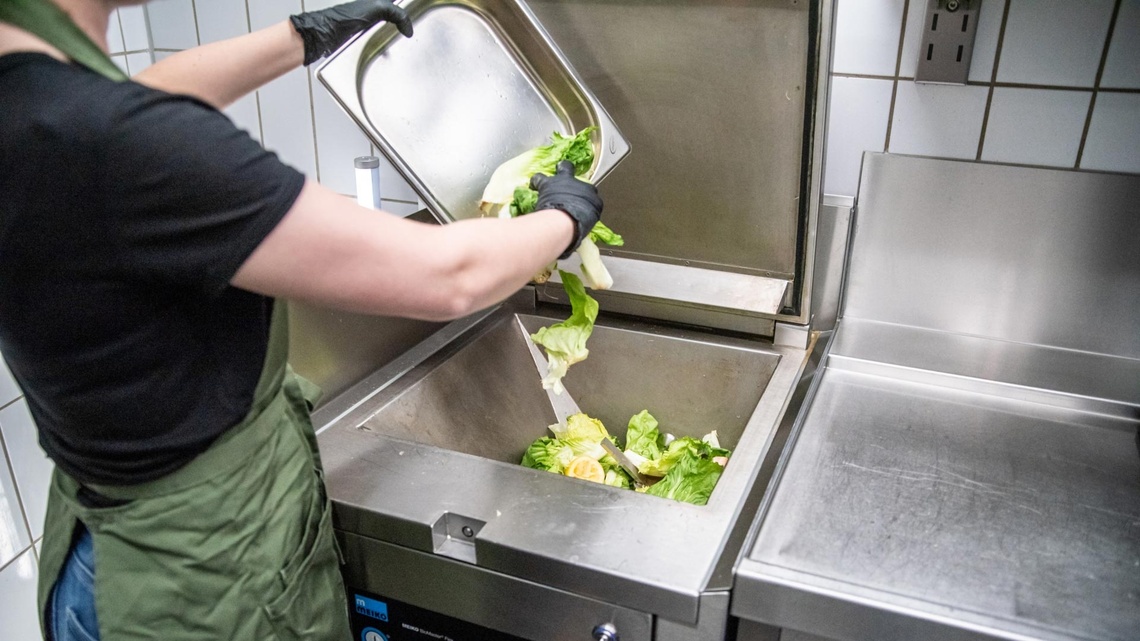
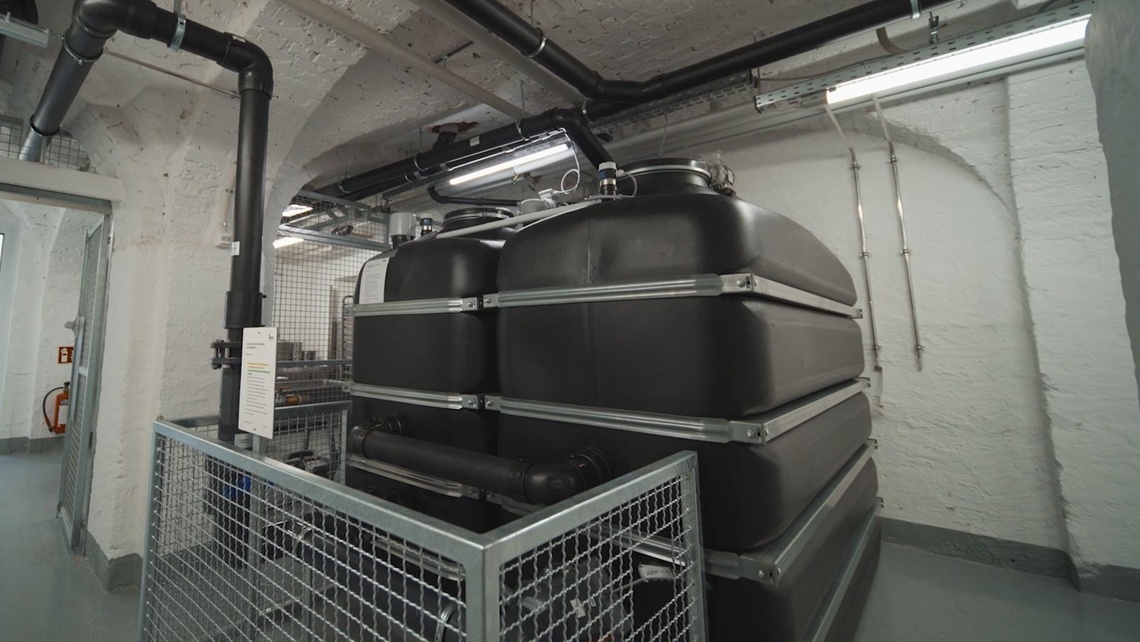
Perhaps the most striking transformation is the way the kitchen handles food waste. Previously, the scraps were collected in bins that had to be kept in cold storage until they could be disposed of. But today, the entire process happens at the touch of a button: food waste is fed straight into the system in the dishwashing area and piped to collection tanks in the basement. As well as being more hygienic, this approach cuts down on unnecessary trips and generally makes life easier for staff. "It also ensures we meet the requirements set by current hygiene standards," says Reutter. A further benefit is that staff have far less direct contact with the food waste itself.
As well as scoring highly from a technical point of view, the new system has also transformed the working environment. It used to take four or five people to run things, but now the whole process can be handled with one or two fewer people. What's more, the room stays much cooler, the equipment is easier to use, and the ergonomics are significantly better. "Feedback from the team has been overwhelmingly positive," says Reutter.
The new setup has also reduced the consumption of water, energy and chemicals, cutting the use of resources while also easing the pressure on day-to-day operations. At ZfP Reichenau, this is part of a much broader shift in which sustainable processes are increasingly taking centre stage. Talk to Jochen Reutter about technology, and it quickly becomes clear that these kinds of considerations are factored into the decision-making process right from the start.
A QUANTUM LEAP FOR THE WASH-UP AREA
For Reutter, one thing is certain: modernising the dishwashing area has resulted in far more than just a technical upgrade. "Normally, you might refer to it as Warewashing 2.0," he says. "But I'd say this is more like Warewashing 6.0! It really is a quantum leap in technology."